At-home mat Pilates
A sensible way to build consistency if you want convenience, but technique still matters. Short, well-structured sessions beat random endless ab work.

Mat Pilates is still one of the easiest and most useful ways to get started. You do not need expensive equipment or a boutique studio to benefit from it. You need good teaching, regular practice and realistic expectations.
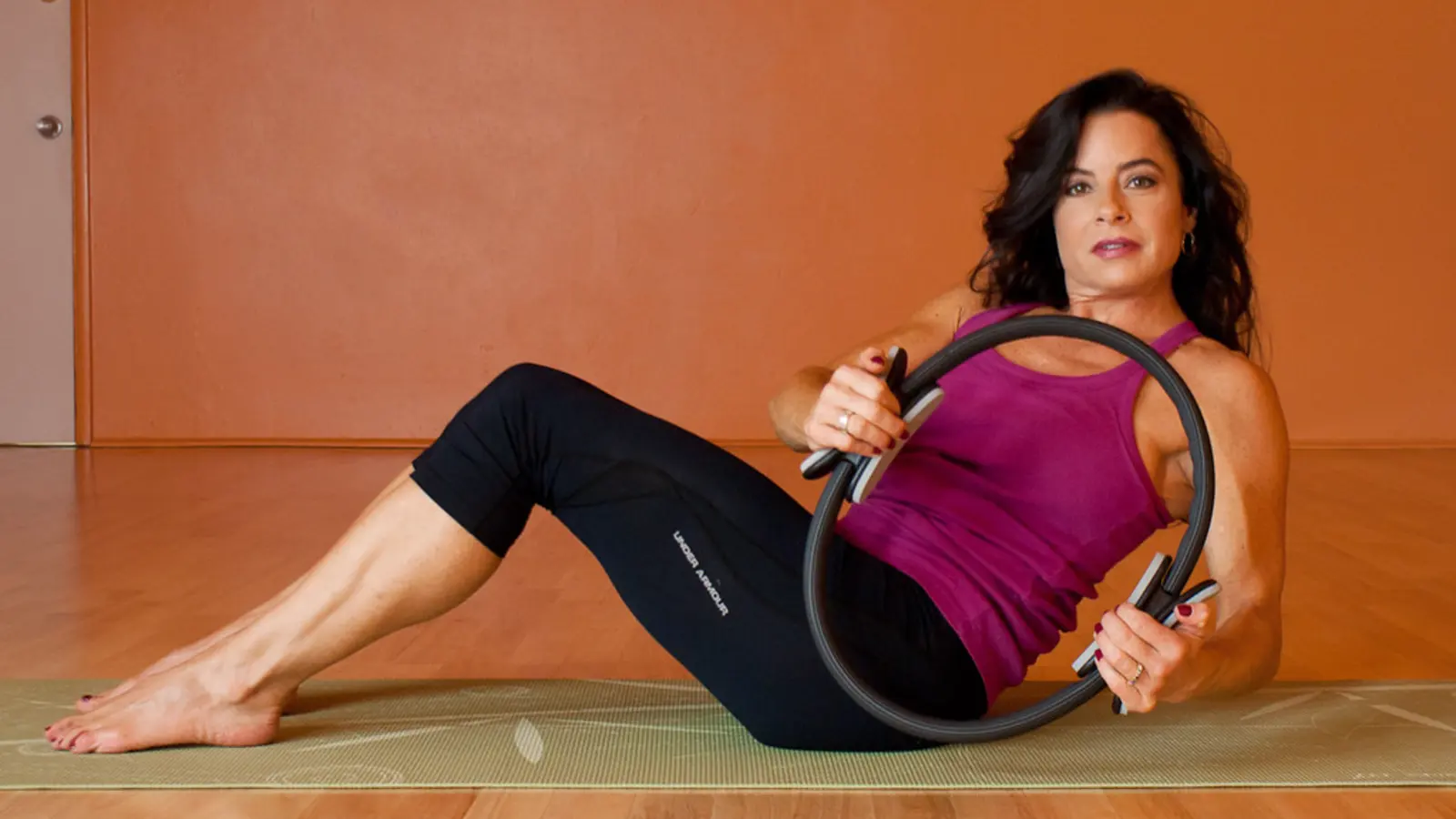
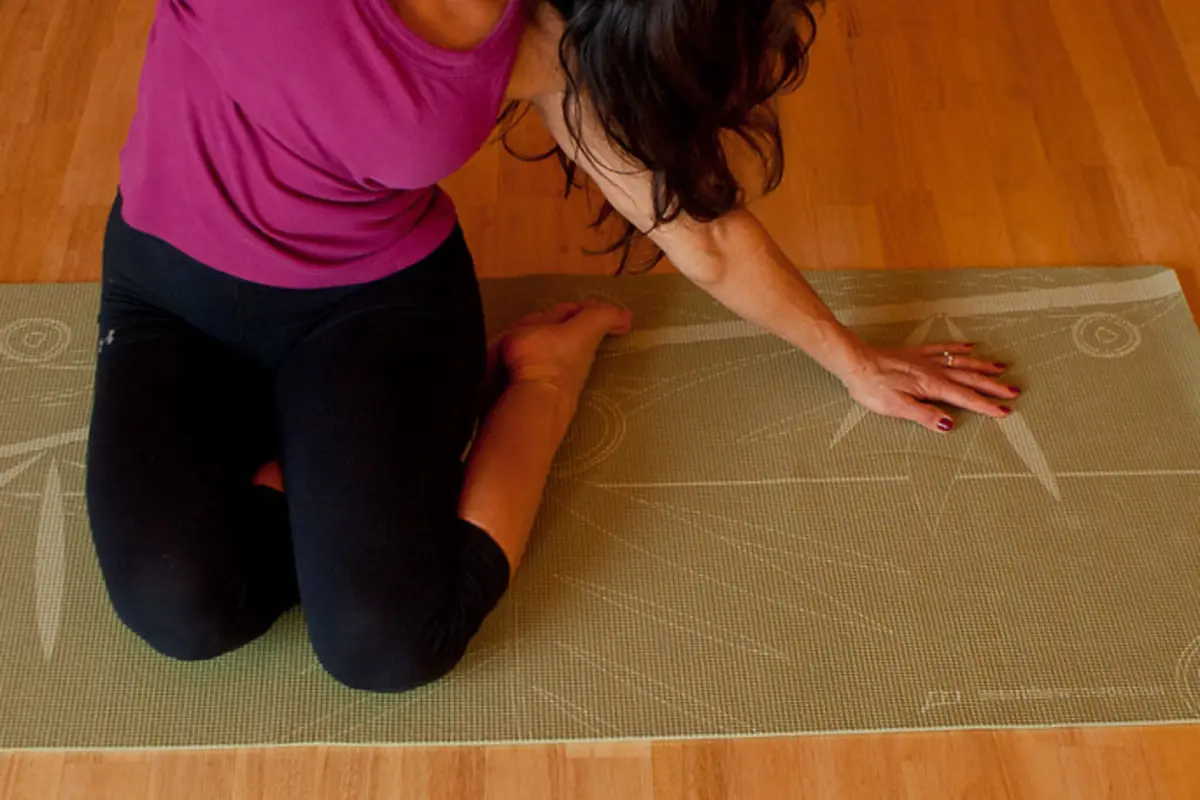
Mat Pilates is often associated with core work, but the benefits are broader than that. It can improve coordination, hip and trunk strength, movement quality, body awareness and confidence with exercise. For desk-based people, it is often a useful antidote to feeling stiff, folded up and disconnected from their own posture.
It is also one of the more scalable forms of exercise. You can begin with simple beginner sessions and progress into tougher flows, slower strength-based work or targeted sessions for specific goals.
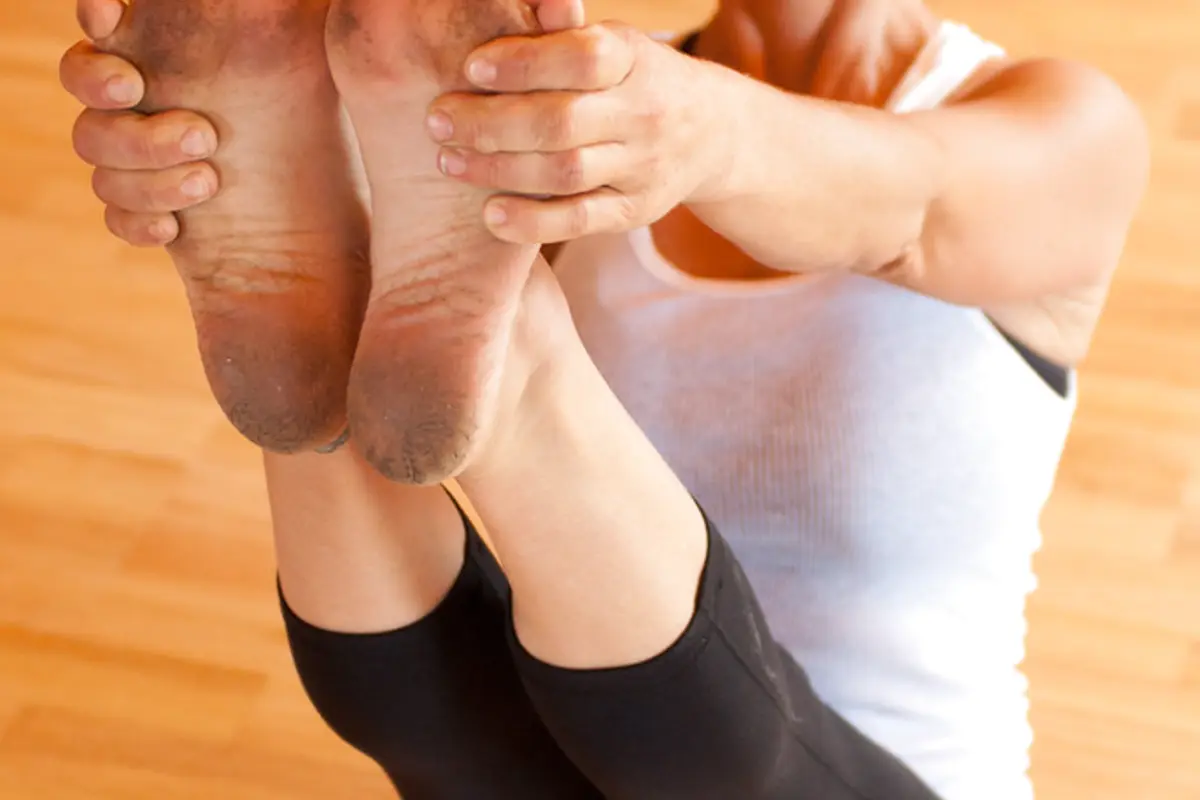
A sensible way to build consistency if you want convenience, but technique still matters. Short, well-structured sessions beat random endless ab work.
Useful if you want guidance, accountability and feedback. Good teaching makes a massive difference, especially early on.
Mat is not the "cheap version" of Pilates. It is a core branch of Pilates in its own right and still one of the best places to learn control.